 русский
 English
 Español
 عربى
عربى Deutsch
 Français
Контент
- 1 Выбор конструктивно адекватной опорной рамы или балки
- 2 Крепление верхнего соединения: подвесное оборудование к опорной балке
- 3 Крепление сиденья: соединения цепью, веревкой и S-образным крючком.
- 4 Правильная регулировка высоты сиденья и длины подвески
- 5 Контрольный список проверок перед использованием перед первым использованием
- 6 График плановых проверок текущей безопасности
- 7 Поверхность земли под качелями
- 8 Распространенные ошибки установки, которые ставят под угрозу безопасность
- 9 Часто задаваемые вопросы о креплении детских качелей
Чтобы правильно закрепить Детское сиденье-качели , вы должны правильно прикрепить подвесные цепи или тросы к сиденью с помощью соединительного оборудования, указанного производителем, повесить сиденье на прочную опорную балку на правильной высоте и с нужным зазором и убедиться, что все оборудование затянуто и зафиксировано, прежде чем ребенок сможет его использовать. Три точки подключения, которые требуют наибольшего внимания, — это крепление сиденья к цепи, крепление цепи к вешалке на верхней балке, а также S-образные крючки или дужки на обоих концах. - отказ в любой из этих трех точек является наиболее распространенной причиной травм, связанных с качанием, связанных с отказом оборудования, а не с ошибкой пользователя.
Помимо первоначальной установки, безопасное использование также зависит от регулярного осмотра этих же точек соединения, поскольку звенья цепи, S-образные крюки и волокна каната со временем изнашиваются в результате повторяющихся динамических нагрузок и воздействия погодных условий. В разделах ниже подробно описан весь процесс установки и проверки, а также конкретные стандарты, регулирующие безопасность качелей на игровой площадке.
Выбор конструктивно адекватной опорной рамы или балки
Прежде чем прикрепить какое-либо сиденье, необходимо убедиться, что сама опорная конструкция выдерживает нагрузку при качании, которая является скорее динамической, чем статической и, следовательно, создает силы, значительно превышающие простой вес ребенка, сидящего неподвижно.
Понимание динамической нагрузки на поворотные конструкции
Качание при движении создает силы, значительно превышающие статический вес пассажира, из-за маятникового движения и дополнительного импульса, создаваемого накачкой или толчком. Справочные материалы по проектированию оборудования для игровых площадок, в том числе ASTM F1487 (Стандартные спецификации безопасности потребителей для оборудования для игровых площадок для общественного использования), требуют, чтобы опорные конструкции были спроектированы и испытаны так, чтобы выдерживать именно условия динамической нагрузки, а не просто статический вес самого тяжелого ожидаемого пользователя. В соответствии с общими инженерными рекомендациями, отраженными в практике проектирования коммерческих игровых площадок, опорные балки и точки их соединения должны быть рассчитаны на то, чтобы выдерживать как минимум в 4-5 раз больше статического веса самого тяжелого ожидаемого пассажира, чтобы обеспечить достаточный запас прочности против динамических сил, возникающих во время активного раскачивания.
Требования к высоте балки и дорожному просвету
Высота опорной балки определяет как полезную дугу поворота, так и дорожный просвет под неподвижным сиденьем. Руководство по безопасности на общественных игровых площадках Комиссии по безопасности потребительских товаров США (CPSC) рекомендует минимальный дорожный просвет под стационарным качающимся сиденьем от 305 мм до 380 мм (от 12 до 15 дюймов) обеспечить безопасный вход и выход без чрезмерной высоты сиденья, обеспечивая при этом достаточный дуговой зазор во время активного использования. Для домашней установки с использованием одной опорной балки, такой как ветка дерева или специальная рама качелей, сама балка должна быть подтверждена в исправном состоянии - без гнили, трещин или структурных повреждений - и рассчитана на совокупную динамическую нагрузку всех качелей, которые будут подвешены к ней, если на одной балке находится более одного сиденья.
Расстояние между несколькими поворотами в одном кадре
Когда на одной раме установлено несколько сидений-качалок, достаточное расстояние предотвращает столкновение детей друг с другом или с опорными стойками рамы во время активного использования. В Справочнике по безопасности общественных игровых площадок CPSC рекомендуется минимальное расстояние 610 мм (24 дюйма) между соседними качелями и минимум 760 мм (30 дюймов) между качающимся сиденьем и вертикальной опорной рамой. Эти размеры следует измерять в состоянии покоя, поскольку активная дуга поворота требует, чтобы этот зазор оставался безопасным во всем диапазоне движения.
Крепление верхнего соединения: подвесное оборудование к опорной балке
Верхнее соединение, где цепь или веревка прикрепляется к опорной балке, несет на себе полную динамическую нагрузку качелей и является одной из трех критических точек крепления, упомянутых в прямом ответе выше.
Выбор правильного типа вешалки
В большинстве качающихся установок используется одна из двух конфигураций вешалок: вешалка с закрытым ушком, прикрепленная болтами или ввинченная непосредственно в балку, или вешалка с открытым крючком, позволяющая надевать на нее петлю. Вешалки с закрытыми проушинами, которые полностью закрывают точку соединения цепи или веревки, значительно более безопасны, чем открытые крючки, поскольку они исключают возможность того, что цепь ослабнет и отсоединится от открытого крючка при повторяющихся раскачивающих движениях - вид отказа, который был задокументирован в обзорах случаев травм на игровых площадках, на которые ссылаются данные об инцидентах CPSC. Для любой установки, которая, как ожидается, будет регулярно и активно использоваться детьми, более безопасным выбором будет вешалка с закрытыми глазами или полностью закрытая конструкция.
Правильная установка подвесных болтов или винтов
В подвесном оборудовании, установленном в деревянную балку, следует использовать болт с задержкой или рым-болт, рассчитанный на ожидаемую динамическую нагрузку, установленный в твердую древесину вдали от трещин, сучков или торцевых волокон балки, которые значительно снижают прочность удержания древесины. Отверстие для болта должно быть предварительно просверлено до диаметра, немного меньшего, чем резьбовой стержень болта, чтобы резьба могла полностью зацепиться за древесные волокна, не раскалывая балку. Болты подвески следует затягивать до тех пор, пока они не будут плотно прилегать к поверхности балки, при этом проушина должна быть ориентирована в плоскости движения качелей, позволяя цепи свободно перемещаться, не зацепляясь за балку и не терясь о непредусмотренную поверхность.
Подтверждение достаточной глубины заделки
Глубина установки болта или винта в материал балки напрямую определяет сопротивление выдергиванию под нагрузкой. Как правило, при установке качелей на деревянном каркасе подвесные болты должны иметь минимальную глубину установки не менее 75 мм (3 дюйма) в твердую, прочную древесину, причем спецификации производителя для конкретной вешалки имеют приоритет, если таковые имеются. Неглубокая заделка является одной из наиболее частых ошибок при сборке домашних качелей и существенно увеличивает риск отрыва подвески от балки при активной эксплуатации.
Крепление сиденья: соединения цепью, веревкой и S-образным крючком.
Соединение между самим сиденьем-качалкой и подвесной цепью или веревкой является ближайшей к ребенку точкой крепления и требует столь же тщательного внимания, чтобы оно не могло разъединиться во время использования.
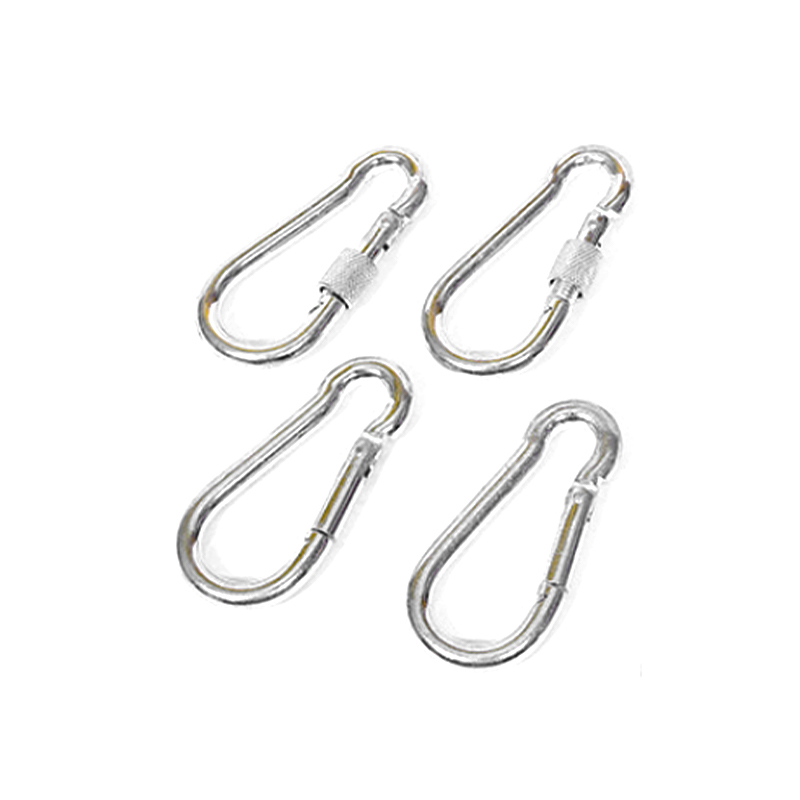
Полное закрытие S-образных крючков и карабинов
Большинство качающихся сидений соединяются с подвесными цепями с помощью S-образных крючков, которые должны быть полностью закрыты (обжаты плоскогубцами до тех пор, пока зазор не будет устранен) после установки, чтобы предотвратить выход звена цепи из открытого зазора крюка в результате повторяющихся движений качания. S-образный крюк, который не был полностью закрыт, является одним из наиболее часто упоминаемых дефектов установки при проверке безопасности оборудования игровых площадок, поскольку открытый зазор не всегда очевиден при случайном визуальном осмотре, но становится явным риском отделения после повторяющейся динамической нагрузки. Многие современные комплекты качающихся сидений, в том числе правильно указанные Детское сиденье-качели продукты теперь поставляются с фиксирующими карабинами или обжимными соединениями с замкнутым контуром специально для устранения этого риска, зависящего от установки.
Проверка целостности и покрытия звеньев цепи
Поворотные цепи должны быть изготовлены из стали с покрытием или оцинкованной стали, рассчитанной на эксплуатацию на открытом воздухе, с минимальной прочностью на разрыв, существенно превышающей ожидаемую динамическую нагрузку. Перед установкой и при каждой последующей плановой проверке звенья цепи следует проверять на наличие признаков растяжения, деформации или поверхностной коррозии, поскольку это видимые признаки усталости, которые предшествуют выходу цепи из строя под нагрузкой. Цепи с пластиковым покрытием не только обеспечивают устойчивость к коррозии, но и снижают риск защемления пальцев — распространенной незначительной травмы при обычном использовании качелей, особенно среди детей младшего возраста.
Подтверждение того, что точки крепления сиденья рассчитаны на применение
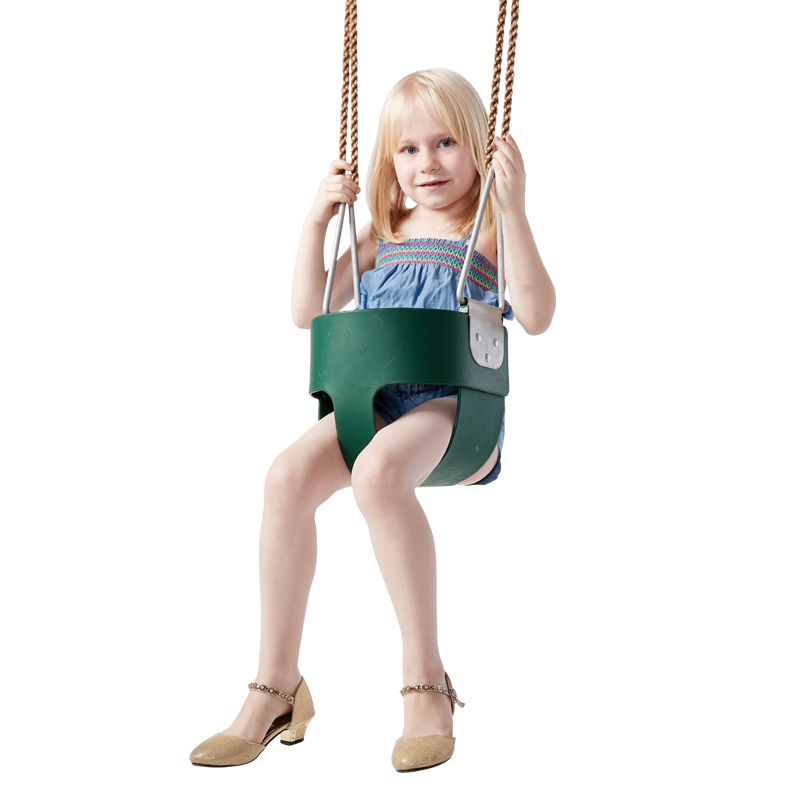
Само сиденье — будь то сиденье с плоской доской, сиденье для малышей в виде ковша или сиденье в виде ремня — имеет указанные производителем точки крепления, предназначенные для надлежащего распределения веса ребенка и сил движения по цепным соединениям. Использование импровизированных методов крепления, таких как привязывание веревки непосредственно через отверстие, не предназначенное для несущей точки крепления, обходит эту технику и значительно увеличивает риск локализованного разрушения материала в точке крепления при повторяющейся динамической нагрузке.
Правильная регулировка высоты сиденья и длины подвески
После закрепления верхних и нижних соединений необходимо отрегулировать общую длину подвески, чтобы обеспечить высоту сиденья, подходящую для предполагаемого пользователя, и сохранить рекомендуемый дорожный просвет, обсуждавшийся ранее.
Рекомендуемая высота сиденья для разных возрастных групп
Высота сиденья должна быть отрегулирована так, чтобы ноги ребенка могли удобно доставать до земли или подставки для ног, когда качели находятся в состоянии покоя, обеспечивая безопасный вход и выход, сохраняя при этом достаточный дуговой зазор во время активного качания. В соответствии с общими рекомендациями, отраженными в стандартах проектирования коммерческих игровых площадок, сиденья для качелей для малышей и дошкольников обычно располагаются на высоте примерно От 355 мм до 455 мм (от 14 до 18 дюймов) над землей в состоянии покоя, а сиденья для детей школьного возраста обычно располагаются несколько выше, в пределах От 455 мм до 560 мм (от 18 до 22 дюймов) , хотя конкретные продукты и установки всегда должны соответствовать рекомендациям производителя используемой модели сиденья.
Правильное использование натяжителей цепи или регуляторов длины
Многие поворотные цепи включают в себя регулируемые звенья или натяжные приспособления, которые позволяют точно регулировать длину подвешивания без разрезания или повторной обрезки цепи. При использовании этих регуляторов убедитесь, что отрегулированное звено или крепеж полностью зацеплены и, если применимо, закреплены с помощью шплинта, контргайки или другого надежного стопорного элемента, указанного производителем - регулятор, который зацеплен лишь частично, может ослабнуть под действием повторяющейся циклической нагрузки при нормальном использовании качания.
Поддержание одинаковой длины обеих подвесных цепей
Обе подвесные цепи, поддерживающие одно сиденье, должны быть отрегулированы до одинаковой длины и подвешены за точки, находящиеся на одинаковой высоте на опорной балке. Неодинаковая длина цепи приводит к тому, что сиденье висит под углом, создает неравномерное распределение нагрузки между двумя точками подвески и может способствовать неожиданному опрокидыванию или перекручиванию сиденья во время использования, что особенно опасно для ковшеобразных сидений для малышей, где боковой кончик представляет существенно иной профиль риска, чем для детей старшего возраста, использующих ременные или плоские сиденья.
Контрольный список проверок перед использованием перед первым использованием
Прежде чем разрешить любому ребенку использовать только что установленное кресло-качалку, систематически проверяйте каждую точку соединения, чтобы убедиться, что установка выполнена правильно. Перед первым использованием необходимо полностью заполнить следующий контрольный список.
- Убедитесь, что на опорной балке нет признаков трещин, расколов или гнили. в точке крепления подвески или рядом с ней и что балка имеет соответствующий размер и рассчитана на динамическую нагрузку активного качания.
- Убедитесь, что подвесные болты или винты полностью посажены и затянуты. к поверхности балки, без видимого зазора или движения, если подвеску крепко потянуть рукой.
- Убедитесь, что все S-образные крючки полностью закрыты. без видимого зазора и что все карабинные соединители находятся в зафиксированном положении.
- Осмотрите звенья цепи на наличие повреждений, деформации или острых краев. по всей длине обеих подвесных цепей.
- Убедитесь, что обе цепи имеют одинаковую длину. и чтобы сиденье висело ровно и под прямым углом к опорной балке, а не перекручено или под углом.
- Убедитесь, что в точках крепления сиденья нет трещин. вокруг отверстий или фитингов, где цепи соединяются с самим сиденьем.
- Проверьте установку с помощью веса тела взрослого. Прежде чем позволить ребенку использовать его, сделайте легкие покачивающие движения, чтобы убедиться, что все соединения надежно удерживаются под динамической нагрузкой, прежде чем знакомить с предполагаемым пользователем.
- Измерьте и подтвердите дорожный просвет и расстояние. Расстояние от соседних построек, качелей или опорных стоек соответствует минимальным расстояниям, обсуждавшимся ранее в этой статье.
График плановых проверок текущей безопасности
Правильно установленные качели не могут быть надежно закреплены без постоянного контроля, поскольку воздействие окружающей среды и повторяющиеся динамические нагрузки способствуют постепенному износу каждой точки соединения, описанной выше. В следующей таблице приведены общие сведения о графике проверок для домашних и небольших установок.
| Объект проверки | Рекомендуемая частота | Что проверить |
|---|---|---|
| S-образный крючок и застежка-разъем | Ежемесячно в течение регулярного сезона использования | Без зазоров, без признаков открытия или деформации. |
| Состояние звена цепи | Ежемесячно в течение регулярного сезона использования | Никакого растяжения, сквозной ржавчины или трещин на покрытии, обнажающем голый металл. |
| Затяжка болтов подвески | Каждые 3 месяца | Нет люфта или движения, когда вешалку тянут вручную. |
| Состояние опорной балки | Каждые 3–6 месяцев и после суровых погодных условий. | Отсутствие новых трещин, расколов, гнили или повреждений насекомыми вблизи точки подвеса. |
| Структурная целостность сиденья | Ежемесячно в течение регулярного сезона использования | Отсутствие растрескивания вокруг крепежных отверстий, отсутствие деградации под воздействием ультрафиолета, что делает материал хрупким. |
| Поверхность земли под качелями | Постоянная визуальная проверка перед каждым сезоном использования. | Поддерживается достаточная глубина поглощающей удары поверхности, отсутствуют твердые или открытые участки. |
Поверхность земли под качелями
Надежная подвеска устраняет риск выхода из строя самих качелей, но подход полной безопасности также учитывает то, что происходит под качелями во время нормального использования, поскольку падения с движущихся качелей являются нормальным и ожидаемым явлением во время типичных детских игр.
Рекомендуемые материалы покрытия и глубина
В Справочнике по безопасности на общественных игровых площадках CPSC приведены конкретные рекомендации по глубине покрытия, смягчающие удары, исходя из высоты падения оборудования. Для качающихся сидений, где соответствующая высота падения включает дополнительную высоту, полученную во время активного покачивания, обычно рекомендуются сыпучие материалы, такие как древесное волокно, резиновая мульча или песок на глубине не менее 230 мм (9 дюймов) для высоты падения примерно до 2,4 метра, с единым покрытием, таким как резиновая плитка или залитая на месте резина, предлагающая альтернативное инженерное решение, проверенное на эквивалентную эффективность поглощения ударов.
Зона использования выходит за пределы положения покоя качелей.
Зона защитной поверхности, часто называемая зоной использования, должна значительно выходить за пределы того места, где качели висят в состоянии покоя, чтобы учитывать полную дугу движения во время активного использования и траекторию, по которой может двигаться ребенок, если он упадет или спрыгнет с движущихся качелей. Руководство CPSC рекомендует расширить зону использования перед и за качелями как минимум на удвоенная высота точки поворота измеряется от точки непосредственно под шарниром, что отражает значительное горизонтальное расстояние, которое ребенок может пройти, слезая с качелей в движении.
Распространенные ошибки установки, которые ставят под угрозу безопасность
Просмотр распространенных ошибок установки помогает выявить и исправить проблемы, которые в противном случае могли бы остаться незамеченными до тех пор, пока не произойдет сбой во время использования.
- Использование открытых крючков вместо вешалок с закрытыми глазами: Как обсуждалось ранее, открытые крючки позволяют цепи со временем ослабляться за счет повторяющихся динамических движений, даже если изначально они установлены правильно.
- Оставляя S-образные крючки частично открытыми: Часто упускаемый из виду этап: S-образный крюк, который не был полностью зажат, постепенно раскрывается под действием циклической нагрузки при нормальном использовании качания.
- Недостаточное закрепление подвесного болта: Установка подвесного оборудования в неглубокие пилотные отверстия или тонкий опорный материал значительно снижает сопротивление выдергиванию и является частой причиной катастрофического выхода подвески из строя.
- Несоответствующая длина цепи: Неравная длина цепей подвески приводит к неравномерному подвешиванию сиденья, что создает неудобное и нестабильное положение для сидения, а также неравномерное распределение нагрузки на две точки крепления.
- Импровизированные способы крепления: Замена троса, проволоки или других материалов, не предназначенных специально для качающейся подвески, вместо указанных производителем цепей или крепежных приспособлений приводит к неизвестной и часто недостаточной грузоподъемности.
- Установка на неподходящую опорную конструкцию: Прикрепление качелей к ветке дерева, балке или раме, конструкция которых не подтверждена и размер которых не соответствует динамической нагрузке при повороте, является одной из наиболее серьезных и наименее очевидных ошибок при установке.
- Пренебрежение текущим осмотром после первоначальной установки: Правильно установленные качели, которые никогда не проверяются впоследствии, в конечном итоге могут привести к проблемам, связанным с износом, обсуждаемым в этой статье, часто без очевидных внешних предупреждающих знаков, пока не произойдет сбой.
Часто задаваемые вопросы о креплении детских качелей
На какую весовую нагрузку должно быть рассчитано кресло-качалка и его фурнитура?
Качающееся сиденье и все оборудование подвески должны быть рассчитаны производителем как минимум на максимальный ожидаемый статический вес предполагаемого пользователя, при этом следует понимать, что фактические динамические силы во время активного качания будут значительно выше этого статического номинала из-за маятникового движения и импульса. Всегда проверяйте указанный производителем номинальный вес для конкретной модели сиденья и никогда не превышайте его, а также выбирайте подвесную цепь и подвесное оборудование, независимо рассчитанное на то, чтобы выдерживать динамические нагрузки, возникающие при этой грузоподъемности.
Как часто следует менять цепи качения
Фиксированного универсального интервала замены не существует, поскольку износ сильно зависит от частоты использования, воздействия климата, а также качества исходного материала и покрытия цепи. Цепи следует заменять немедленно при обнаружении видимой ржавчины защитного покрытия, любого растяжения или деформации отдельных звеньев или любых других признаков деградации материала, выявленных в ходе плановых проверок, описанных ранее в этой статье, а не дожидаясь фиксированного календарного интервала.
Безопасно ли повесить качели на ветку дерева вместо специального каркаса
Ветка дерева может быть подходящей опорной конструкцией при условии, что она подтверждена как здоровая, живая ветвь достаточного диаметра, не имеющая болезней, растрескивания или структурной слабости и признанная компетентной оценкой способной выдерживать динамические нагрузки активного раскачивания. Рекомендации арбористов обычно предполагают, что минимальный диаметр ветки составляет примерно 200 мм (8 дюймов) для опоры при повороте, хотя это следует подтверждать с учетом конкретной породы дерева, угла ветвей и общего состояния дерева, а не полагаться на универсальную цифру. В отличие от изготовленного каркаса, структурное состояние ветки дерева может со временем измениться из-за роста, болезней или повреждений от урагана, что делает более частую повторную проверку целесообразной для установок, установленных на дереве, по сравнению со специально спроектированными рамами.
Что делать, если при плановом осмотре я заметил, что место соединения начало изнашиваться?
Немедленно выведите качели из эксплуатации и не допускайте их дальнейшего использования до тех пор, пока изношенный компонент не будет отремонтирован или заменен на оборудование равной или большей номинальной мощности, чем оригинальное. Продолжение использования качелей с заведомо изношенной точкой соединения, даже если кажется, что они все еще функционируют, рискует прогрессирующим отказом при следующем цикле динамической нагрузки, а затраты и неудобства, связанные с заменой звена цепи, S-образного крюка или подвесного болта, незначительны по сравнению с последствиями отказа во время активного использования.